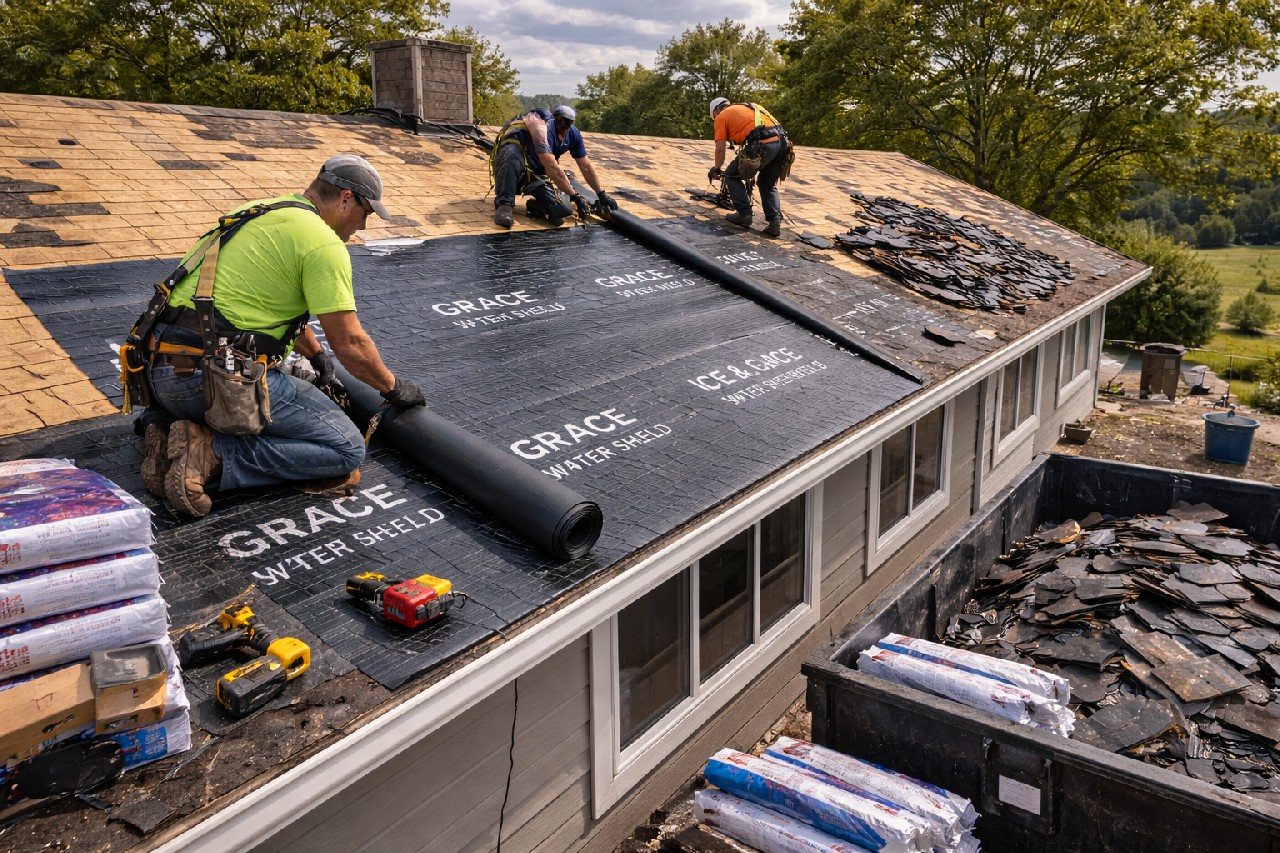


⚡ TL;DR: Learn to avoid common asphalt shingle roof installation pitfalls in Phoenix, AZ—like poor deck prep and ventilation—to prevent costly failures in desert heat and monsoons.
📋 What You’ll Learn
In this guide to asphalt shingle roof installation in Phoenix, AZ, you’ll learn to dodge costly blunders from extreme heat, monsoons, and desert conditions that ruin roofs prematurely.
- Master deck preparation for desert extremes to prevent warping, buckling, and early failures caused by intense sun exposure and temperature swings in Phoenix climates.
- Select underlayment that withstands monsoons ensuring watertight protection against heavy rains, wind-driven water, and preventing leaks that lead to mold and structural damage.
- Perfect nailing techniques for 120°F heat avoiding shingle blow-offs, cracking, and reduced lifespan by securing properly against thermal expansion and high winds.
- Prioritize ventilation to combat heat buildup reducing energy bills, ice dams in rare cools, and shingle degradation from trapped moisture and excessive temperatures.
- Excel at sealing penetrations and flashing to block water intrusion around vents, chimneys, and edges, saving thousands in repairs from Phoenix's harsh weather cycles.
📖 Reading time: 7 min
✍️ Author expertise: Phoenix roofing pro with 20 years of hands-on asphalt shingle installs in AZ deserts.
You're staring at a $15,000 roofing bill in Phoenix, only to watch your new asphalt shingles buckle under the brutal summer sun six months later.
That nightmare hits homeowners every year right here, where 120-degree heat and monsoon fury turn small installation slip-ups into massive headaches.
But it doesn't have to be you, if you spot these deadly errors before your contractor nails the first shingle.
Keep reading to uncover the five biggest blunders in asphalt shingle roof installation and lock in a roof built to thrive in our desert.
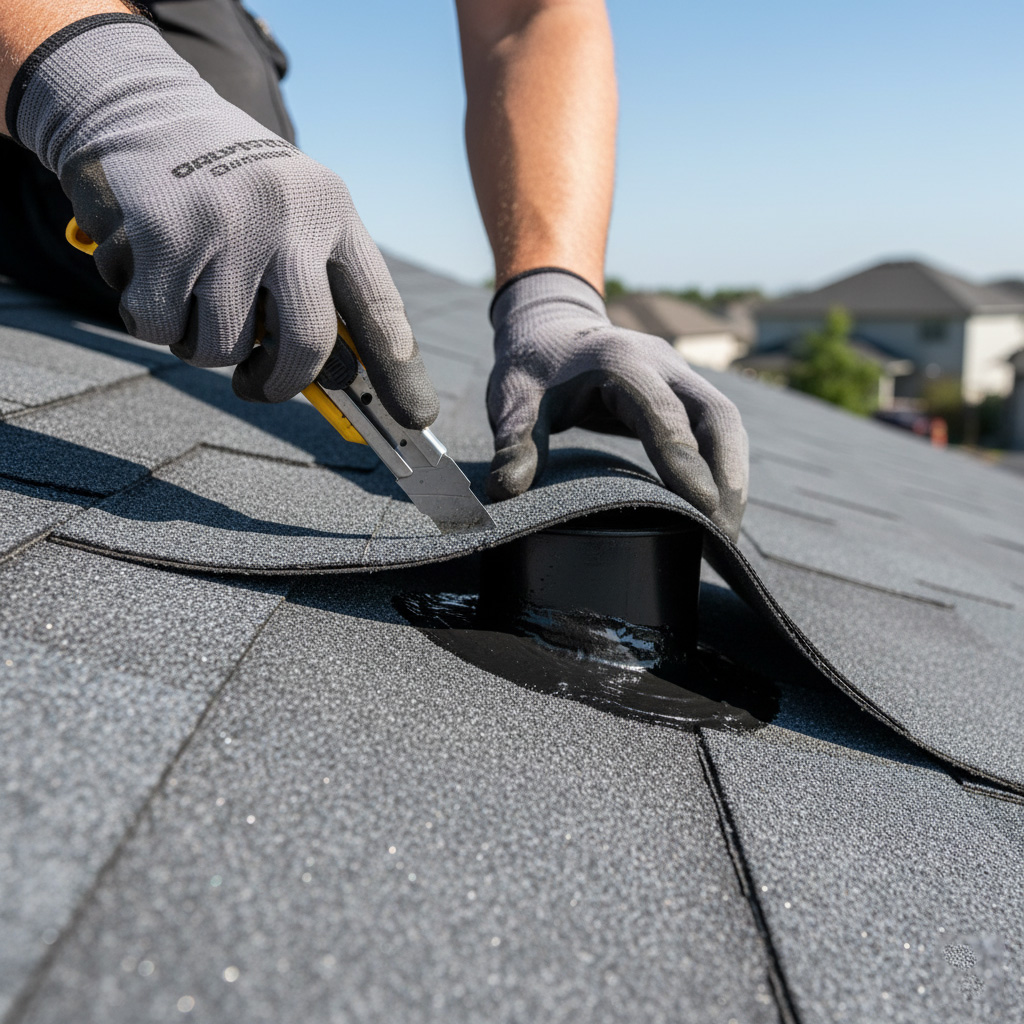
Blunder #1: Skipping Proper Deck Preparation in Desert Conditions
Phoenix roofs bake under relentless sun. Skip deck prep, and your plywood warps like a bad poker hand. Shingles lift, water sneaks in, and leaks turn your attic into a swamp.
Desert heat expands wood fast. Without proper sheathing checks, gaps open up. Your new asphalt shingles in Phoenix can't grip a shaky base.
Spot the Deck Disaster Before It Hits
- Cracked or spongy plywood screams replacement.
- Missing or spaced-out boards let shingles slide in 110°F scorchers.
- Old tar paper? Rip it off. Fresh OSB or plywood fights thermal shifts.
Insist on 5/8-inch minimum decking. Stagger seams. Nail every six inches. This locks your roof solid against our brutal summers.
Blunder #2: Using Inadequate Underlayment for Monsoon Rains
Picture this: your contractor slaps down basic felt paper under those asphalt shingles, thinking it's good enough.
Then July hits. Monsoons dump inches of rain in hours, straight through tiny gaps. That cheap felt turns to mush, letting water seep into your deck.
Why Felt Paper Fails in Phoenix
Felt soaks up water like a sponge. In our 120°F scorchers, it dries brittle and cracks.
Monsoon winds rip shingles loose. Leaks start small. They end with rotted beams and moldy ceilings.
- Go for synthetic underlayment - breathable, tear-resistant, won't rot.
- Layer ice-and-water shield in valleys and eaves - self-seals around nails.
- Insist on full coverage over the whole roof. No shortcuts.
One Phoenix homeowner skipped this. His bill? $8,000 in water damage after the first storm season.
Don't join him. Demand the right underlayment, or watch your investment wash away.
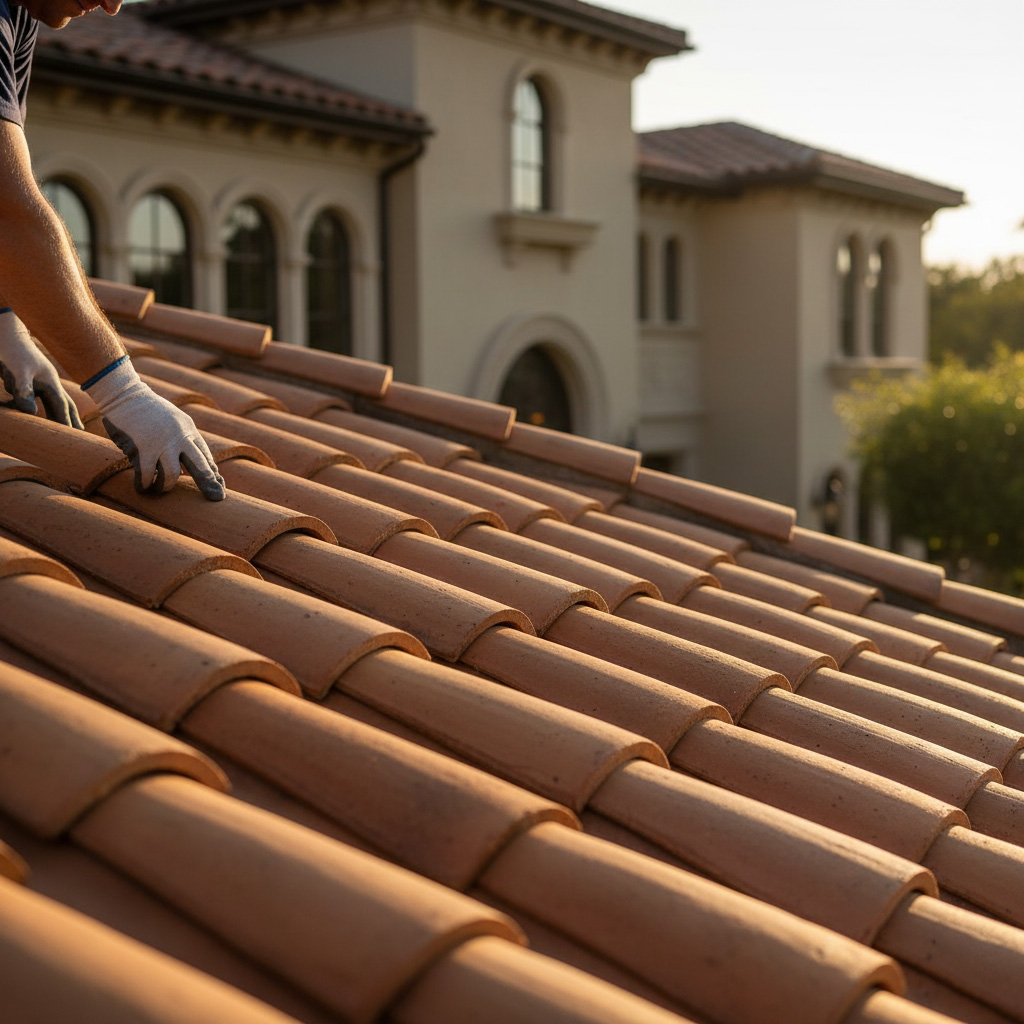
Blunder #3: Incorrect Nailing Patterns That Fail in 120°F Heat
Picture this: your shiny new shingles look perfect on day one. But come July, when Phoenix hits 120°F, those nails start popping like fireworks. Shingles lift, wind rips them off, and leaks turn your attic into a swamp.
Here's the killer: asphalt shingles expand and contract wildly in desert heat. Wrong nailing lets them shift, creating gaps that monsoon winds exploit.
Spot These Nailing Nightmares Before They Nail You
- Too few nails: Four per shingle minimum. Skimp here, and heat waves turn your roof into a loose puzzle.
- High placement only: Nails must hit the proper zone – 1 to 2 inches above the sealant strip. Miss it, shingles slide south.
- Wrong nail type: Plastic caps? Junk in heat. Use galvanized steel, 1-1/4 inch long, 11-12 gauge.
Demand your crew follows the 6-nail method for starter strips and edges. One wrong pattern, and you're staring at repairs before the warranty kicks in.
Blunder #4: Overlooking Ventilation for Thermal Expansion
Phoenix roofs bake like ovens. Asphalt shingles hit 180°F on a typical summer day, forcing wild expansion and contraction. Skip ventilation, and trapped heat warps your deck, pops nails, and turns shingles into a buckled mess.
Picture this: no airflow means moisture brews underneath. That combo shreds your roof's lifespan from 25 years down to a pathetic 10. Contractors who ignore it? They're setting you up for leaks and early replacement.
Spot the Ventilation Killers
- Blocked soffit vents clogged with desert dust.
- Missing or undersized ridge vents that can't exhale the heat.
- Solid decking with zero breathability.
Fix it right. Demand a full intake-exhaust system covering at least 1/150 of your attic square footage. Your roof stays cool, shingles lie flat, and you dodge those brutal repair calls.
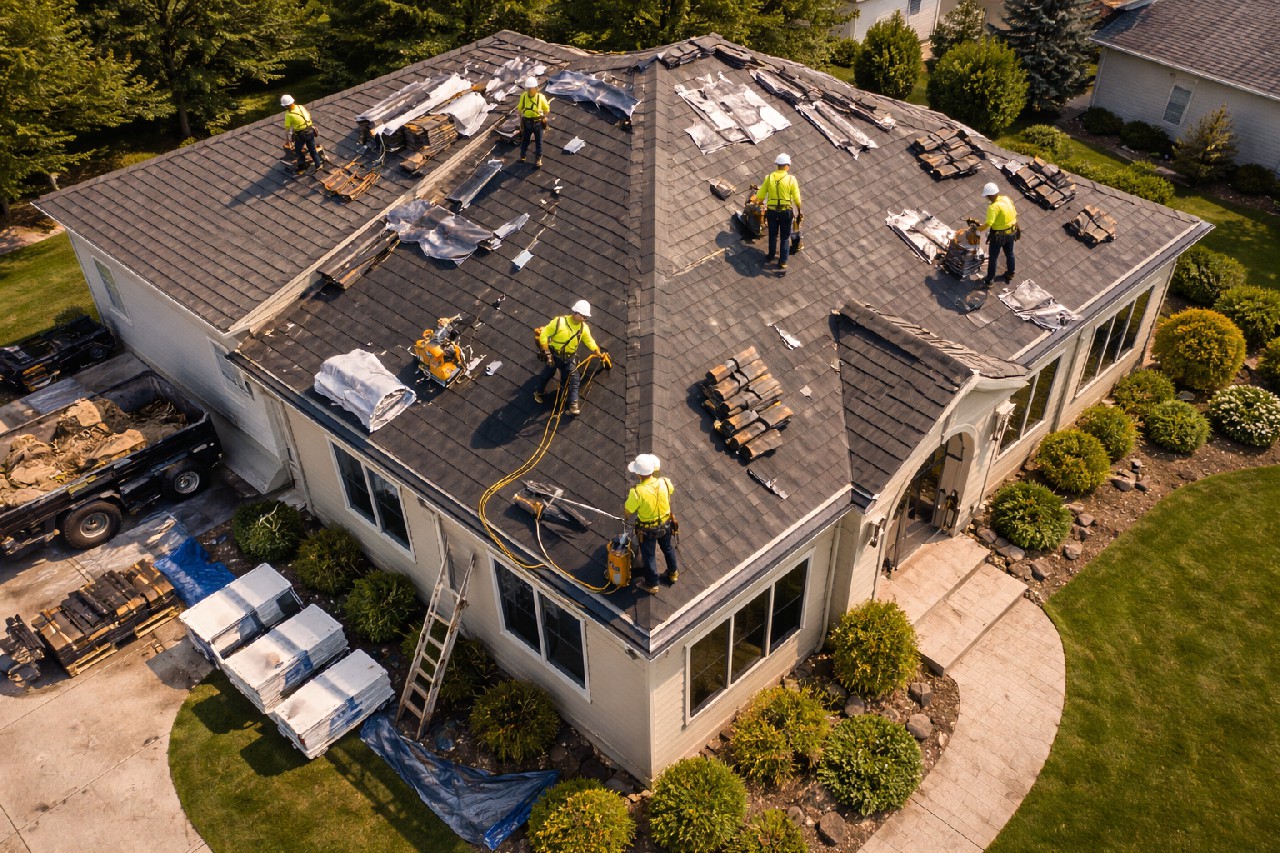
Poor Sealing and Flashing Around Roof Penetrations
Chimneys, vents, skylights. These spots scream for airtight seals. Skip proper flashing here, and Phoenix monsoons will pour right into your attic.
Heat swings make it worse. Asphalt shingles expand and contract daily. Weak seals crack open, inviting leaks that rot your deck from the inside.
Spot the Sloppy Work
- Caulk that's too thin or missing entirely.
- Flashing not stepped up the roof slope.
- Gaps wider than a pencil around pipes.
Demand ice-and-water shield under all penetrations. It sticks like glue through 120°F blasts and heavy rains. Contractors who balk? Walk away.
Pro tip: Insist on metal flashing bent L-shaped, nailed every six inches. Seal with high-heat butyl tape, not cheap acrylic. Your roof stays bone-dry for decades.
Case Study: Saving a Phoenix Family's Home from Shingle Failure
Meet the Rodriguez family in Glendale, just outside Phoenix. They shelled out $12,000 for new asphalt shingles last summer. But by winter, leaks poured through during a rare storm, and shingles started curling from the relentless heat.
Our crew inspected and found all five blunders at play: no deck prep, cheap underlayment, sloppy nailing, zero ventilation, and botched flashing. The roof was a ticking time bomb in our desert climate.
The Turnaround Plan
- Tore off the mess and prepped the deck with moisture barriers tuned for 120°F swings.
- Installed heavy-duty underlayment and nailed per extreme-heat specs.
- Added ridge vents for killer airflow, sealed every penetration tight.
Three weeks later, their roof stood strong. No more leaks. Energy bills dropped 20%. And they got a 25-year warranty that actually means something in Phoenix.
Conclusion
Avoid these five blunders, and your asphalt shingles will laugh off Phoenix heat and storms for decades.
We've seen it time and again: smart homeowners demand checklists from contractors before signing off. That one move dodges the $15K regret.
Ready to bulletproof your roof? Dive deeper into asphalt shingle roof installation tips tailored for our desert, or grab a free inspection quote today.
- Double-check deck prep.
- Insist on heavy-duty underlayment.
- Verify nailing in the heat.
- Prioritize ventilation.
- Seal every penetration tight.
Your home deserves a roof that fights back. Make the call now.
People Also Ask
Are asphalt shingles suitable for Phoenix's extreme heat?
Asphalt shingles are suitable for Phoenix when high-quality, heat-resistant types like architectural shingles are used and installed correctly. They withstand temperatures up to 120°F but require proper ventilation and nailing to prevent buckling or cracking from thermal expansion. Choosing impact-rated shingles also protects against hail common in Arizona monsoons.
What causes asphalt shingles to fail in Phoenix?
Common failures stem from poor deck preparation, inadequate underlayment, and incorrect nailing that can't handle desert heat and monsoon rains. Overlooking ventilation leads to thermal expansion issues, causing shingles to warp or lift. Poor sealing around penetrations allows water intrusion, accelerating deterioration in the harsh climate.
How important is underlayment for asphalt shingle roofs in Phoenix?
Underlayment is crucial in Phoenix to protect against intense monsoon rains and UV exposure that degrade standard felt paper quickly. Use synthetic or rubberized underlayment for better waterproofing and breathability in humid storms. Skipping or using inadequate underlayment leads to leaks and costly repairs.
What nailing pattern works best for asphalt shingles in hot climates like Phoenix?
Use a 6-nail pattern with nails 1-1.5 inches above the sealant strip and 1 inch from edges for superior hold in 120°F heat. Standard 4-nail patterns often fail under wind uplift and expansion, causing shingles to blow off. Proper nailing ensures longevity and wind resistance up to 110-130 mph.
How can I prevent thermal expansion issues with asphalt shingles in Arizona?
Ensure adequate roof ventilation with ridge and soffit vents to reduce heat buildup and allow air circulation. Install shingles with proper spacing to accommodate expansion without buckling. Professional installation following manufacturer guidelines for hot climates prevents premature failure and extends roof life.

Phoenix Roofing is a local roofing company serving Phoenix, AZ, and surrounding areas. With years of hands-on experience, the team specializes in residential and commercial roofing tailored to the desert climate. They focus on quality installations, repairs, and maintenance for the Phoenix community.
Need Roofing?
Fast roof repairs and replacements deliver leak-proof protection and weather resistance in Phoenix, AZ and nearby areas (85008, 85012, 85014, 85016, 85020).
Get Roof Quote