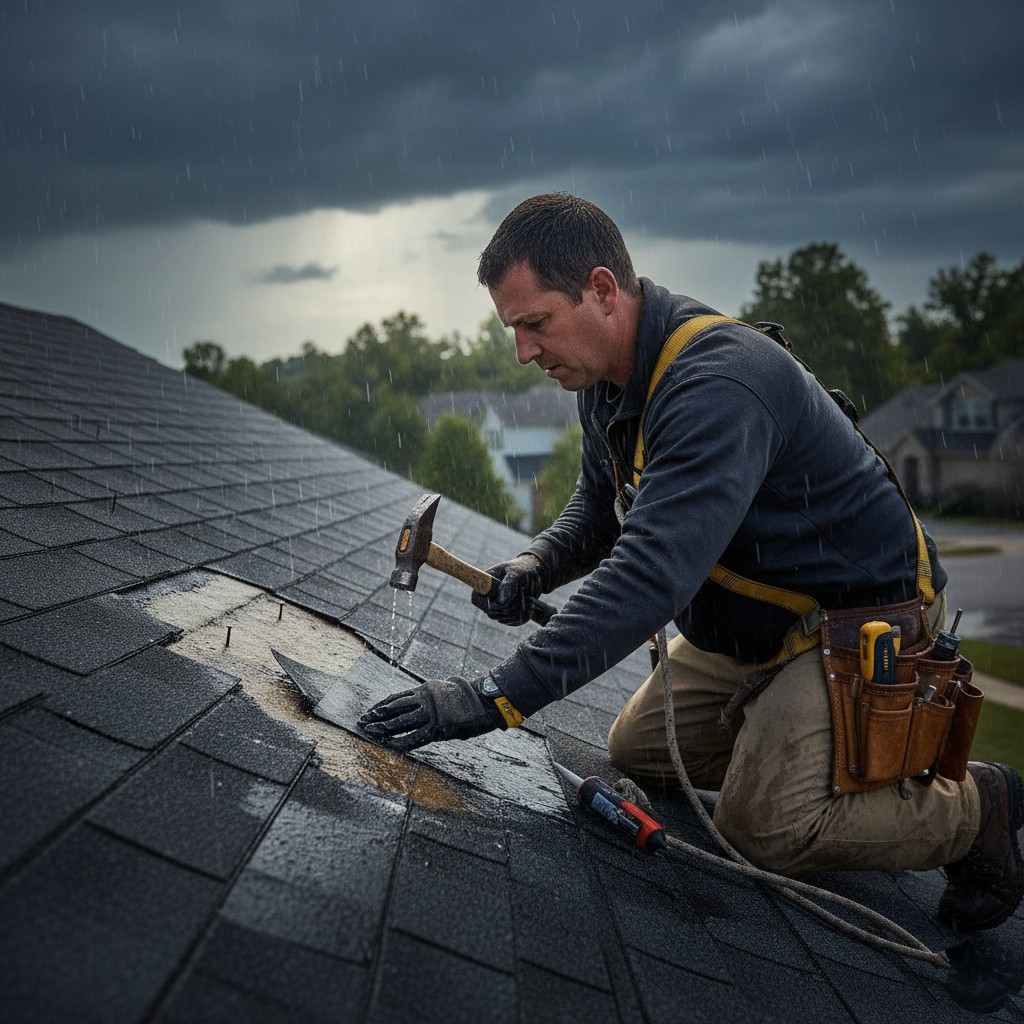


⚡ TL;DR: Homeowners in Phoenix can protect their roofs from monsoon damage by inspecting shingles, flashing, gutters, edges, and attics for key issues.
📋 What You’ll Learn
Discover the 5 essential roof inspection musts for Phoenix homeowners to protect against monsoon rains, winds, and hail, ensuring your home stays safe and dry this season.
- Spot shingle and tile vulnerabilities like cracks, missing pieces, and hail damage before monsoons turn minor flaws into major leaks and repairs.
- Examine flashing, vents, and chimneys for loose seals and leaks that heavy Phoenix storms exploit, preventing attic water damage and mold growth.
- Check gutters and downspouts thoroughly to avoid water backups and overflows during intense rains, safeguarding your roof and foundation from erosion.
- Scan valleys, edges, and fascia boards for wind weaknesses that monsoons can rip apart, averting uplift, tears, and premature roof failure.
- Assess attic insulation and ventilation for early leak signs and airflow issues, bolstering overall roof resilience through the stormy season.
📖 Reading time: 7 min
✍️ Author expertise: Phoenix roofing contractor with 15+ years of monsoon prep from local field inspections.
As the first thunderheads build over the Phoenix valley, your roof stands as the last line of defense against winds whipping at 70 mph and hail the size of golf balls.
One overlooked crack or loose shingle, and you're staring at flooded rooms, caved ceilings, and repair bills that hit five figures before the storm even clears.
We've seen it crush homeowners year after year, but it doesn't have to be you.
Discover the five critical roof inspections that lock in protection before the monsoon unleashes hell, starting right now.
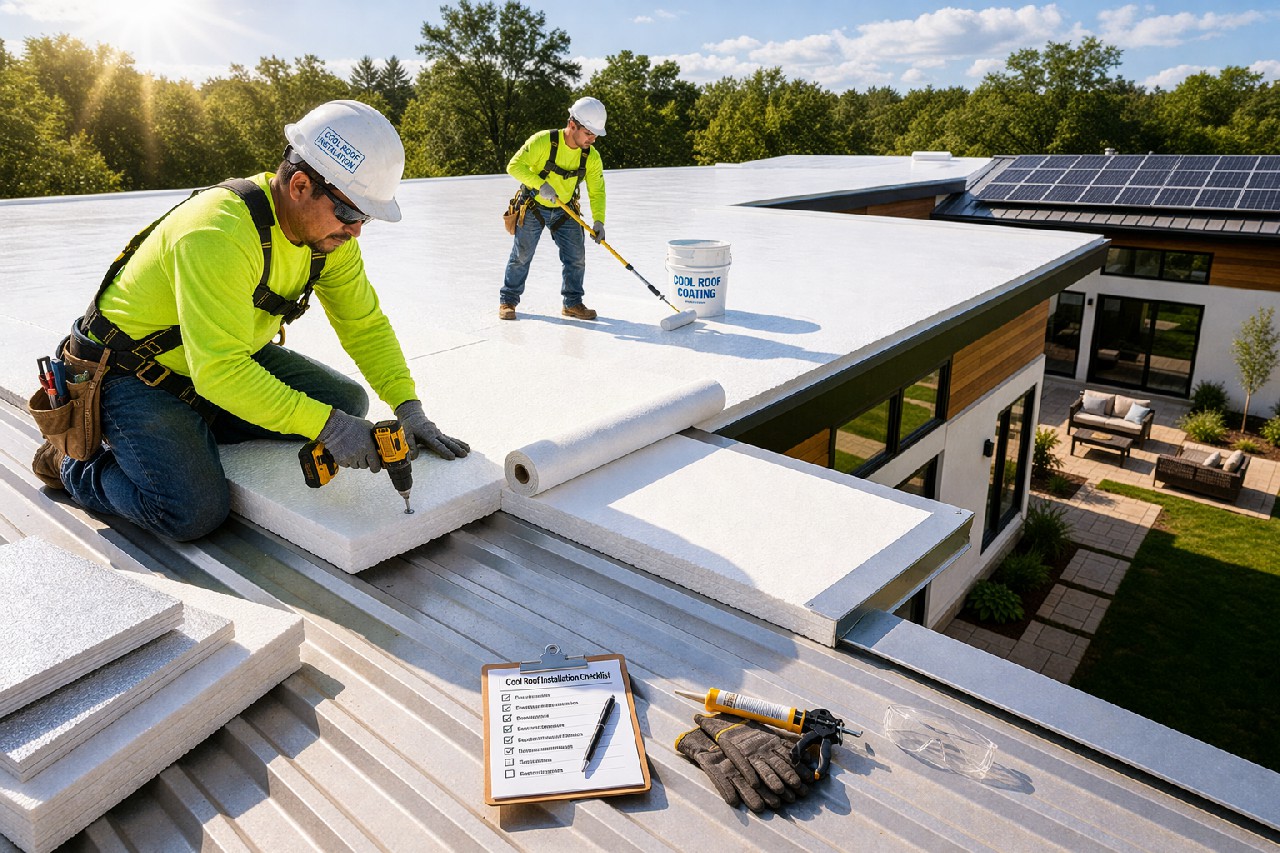
Inspect Shingles and Tiles for Cracks, Missing Pieces, and Hail Damage
Monsoon winds rip shingles loose like paper in a tornado. Hail pounds them flat, turning tiny cracks into gaping wounds. Spot these killers now, or watch your roof surrender when the storm hits.
Grab binoculars or climb a ladder safely. Walk the roof's slope, eyes peeled for the obvious culprits.
- Missing shingles: Bald patches scream vulnerability. Count 'em quick.
- Cracked or curled edges: These lift in gusts, inviting water inside.
- Hail dents: Bruised spots mean weakened armor. Feel for soft granules underfoot.
One cracked tile can funnel a river into your attic. We've patched hundreds before storms, saving folks thousands. Check every quadrant twice. Your dry home depends on it.
Examine Flashing, Vents, and Chimneys for Leaks and Loose Seals
Flashing seals the spots where your roof meets walls, chimneys, or valleys. One loose piece invites monsoon rain to pour straight into your home.
Grab a ladder. Look for cracked caulk, rusted metal, or gaps wider than a finger.
Quick Checks That Save Thousands
- Vents: Poke around ridge and bathroom vents. Clear debris. Test for wobbly mounts that wind could rip free.
- Chimneys: Scan the brick-to-roof seal. Water sneaks through hairline cracks during 2-inch downpours.
- Flashing edges: Tug gently. If it shifts, seal it now with high-grade butyl tape.
Skip this, and you're handing leaks to the storm on a silver platter. We've fixed dozens of Phoenix roofs where a $50 seal job turned into a $10K nightmare.
Pro tip: Snap photos before and after fixes. It'll prove your roof's battle-ready when the big one hits.
Check Gutters, Downspouts, and Drainage to Prevent Water Backup
Phoenix monsoons dump two inches in an hour. That's a raging river on your roof if gutters fail. Water backs up, seeps under shingles, and rots your home from the top down.
Gutters: The First Line Against Floods
Grab a ladder. Peer inside every section.
- Leaves and debris piled high? Clear it now.
- Rust spots or sagging metal? Those scream replacement.
- Water pooling after a test hose-down? Big red flag.
One clogged foot turns your yard into a lake. We've fixed roofs where overflow carved trenches right through the fascia.
Downspouts need love too. Run water through them.
- Bent or crushed? Straighten or swap.
- Disconnected at joints? Seal tight with caulk.
- Ends dumping near foundation? Extend with splash blocks.
Proper flow keeps walls dry. Skip this, and monsoon mudslides hit your basement.
Scan Roof Valleys, Edges, and Fascia for Wind Vulnerability
Monsoon gusts love to target your roof's weakest spots. Valleys catch rushing water from two slopes meeting. Edges and fascia take the brunt of whipping winds that can peel back shingles like banana skins.
Grab binoculars or a sturdy ladder. Walk the perimeter. Spot any lifted shingles or gaps where wind sneaks in?
Quick Checks That Save Your Roof
- Valleys: Look for granule loss or cracks in sealant. Water pools here during downpours.
- Edges: Check rake and eave lines for curling or missing pieces. Winds hit 70 mph easy.
- Fascia boards: Probe for rot or loose nails. Gutters hang here. One weak spot floods your yard.
Wind doesn't ask permission. It rips. Fix loose spots now with fresh sealant or nails before the storm tests them.

Evaluate Attic Insulation, Ventilation, and Early Leak Signs
Your attic is the hidden battleground where monsoon moisture wages war first. Poor insulation soaks up humidity like a sponge, breeding mold that spreads downstairs fast. Head up there now and poke around.
Spot These Insulation Red Flags
- Clumps matted down or discolored from dampness.
- Gaps letting hot Phoenix air mingle with cool, causing condensation bombs.
- Settled or shifted material that no longer blocks heat or traps moisture.
Pro tip: Grab a flashlight. If insulation feels soggy or smells musty, it's already too late for prevention. Call in reinforcements before the storm hits.
Ventilation keeps air moving, dumping excess heat and humidity before they turn toxic. Blocked soffit vents or a clogged ridge vent? That's a recipe for warped rafters and skyrocketing AC bills. Test fans and look for rust around openings.
Leak Hunters Checklist
- Dark water stains on rafters or ceiling joists.
- Peeling paint or soft, bulging drywall below.
- Drooping insulation or visible crystals from mineral deposits.
One tiny drip ignored turns into a gusher during 2-inch rains. Snap photos of anything suspicious. Your roof's weakest link hides here.
Case Study: Rescuing a Phoenix Family's Roof from Monsoon Devastation
Meet the Rodriguez family in Mesa. Last July, they skipped their pre-monsoon check. Thunder rolled in, and boom – water poured through the ceiling like a busted pipe.
Ceiling collapsed in the kids' room. Mold started creeping by breakfast. Repair tab? $28,000.
What We Uncovered on a Similar Roof
Take the Smiths down the street. They called us two weeks before the big storm hit.
Our crew spotted cracked tiles from last winter's hail. Flashing around the chimney had pulled loose from gusts.
- Missing shingles in the valleys – prime leak spots.
- Clogged gutters backing up against the fascia.
- Attic ventilation blocked, trapping heat and moisture.
We fixed it all in one day. Monsoon dumped three inches overnight. Not a drip inside.
Smiths slept sound. Rodriguez neighbors? Evacuated for weeks.
Final Thoughts
Monsoon season hits Phoenix like clockwork. Skip these five inspections, and you're rolling the dice on your home's biggest asset. But nail them now, and sleep easy through the downpour.
Still feeling unsure? Don't wing it. Grab a pro from our team for a full roof inspection that spots trouble before it strikes.
- Save thousands on emergency fixes.
- Protect your family from water damage nightmares.
- Boost your roof's lifespan against brutal desert storms.
Act today. Your roof will thank you when the skies open up.
People Also Ask
When should I schedule a roof inspection before the Phoenix monsoon?
Schedule your roof inspection in late spring or early summer, ideally May or June, before monsoon storms typically start in July. Early detection of issues like loose shingles or clogged gutters can prevent costly water damage during heavy rains. Contact a local Phoenix roofing expert for a thorough check to ensure your home is monsoon-ready.
What are common signs of roof damage from Phoenix monsoons?
Look for missing shingles, cracked tiles, water stains on ceilings, and granule loss from hail impacts as key indicators. Wind-driven debris often loosens flashing around vents and chimneys, leading to leaks. A pre-monsoon inspection catches these early, avoiding interior flooding and structural issues.
Can I perform a DIY roof inspection before monsoon season?
Yes, you can do a basic visual check from the ground for obvious issues like missing shingles or overflowing gutters, but avoid climbing on the roof for safety. Use binoculars to scan edges, valleys, and vents for vulnerabilities. For comprehensive assessment, hire a professional Phoenix roofer to identify hidden problems.
How often should Phoenix homeowners inspect their roofs?
Inspect annually, with a must-do check before monsoon season and after major storms. Older roofs over 10 years need semi-annual reviews due to Arizona's intense sun and wind. Professional inspections provide peace of mind and can extend your roof's lifespan significantly.
What if I skip a roof inspection before the Phoenix monsoon?
Skipping it risks severe water intrusion, mold growth, and structural damage from undetected leaks during intense storms. Repairs post-monsoon are far costlier and disruptive than preventive checks. Protect your investment by prioritizing a pre-season inspection with trusted local experts.

Phoenix Roofing delivers specialized roofing services throughout Phoenix, AZ. With extensive experience in the local desert climate, the team handles installations, repairs, and maintenance for homes and businesses. Their focus on the area's unique conditions ensures tailored, effective solutions.
Need Roofing?
Fast roof repairs and replacements deliver leak-proof protection and weather resistance in Phoenix, AZ and nearby areas (85008, 85012, 85014, 85016, 85020).
Get Roof Quote