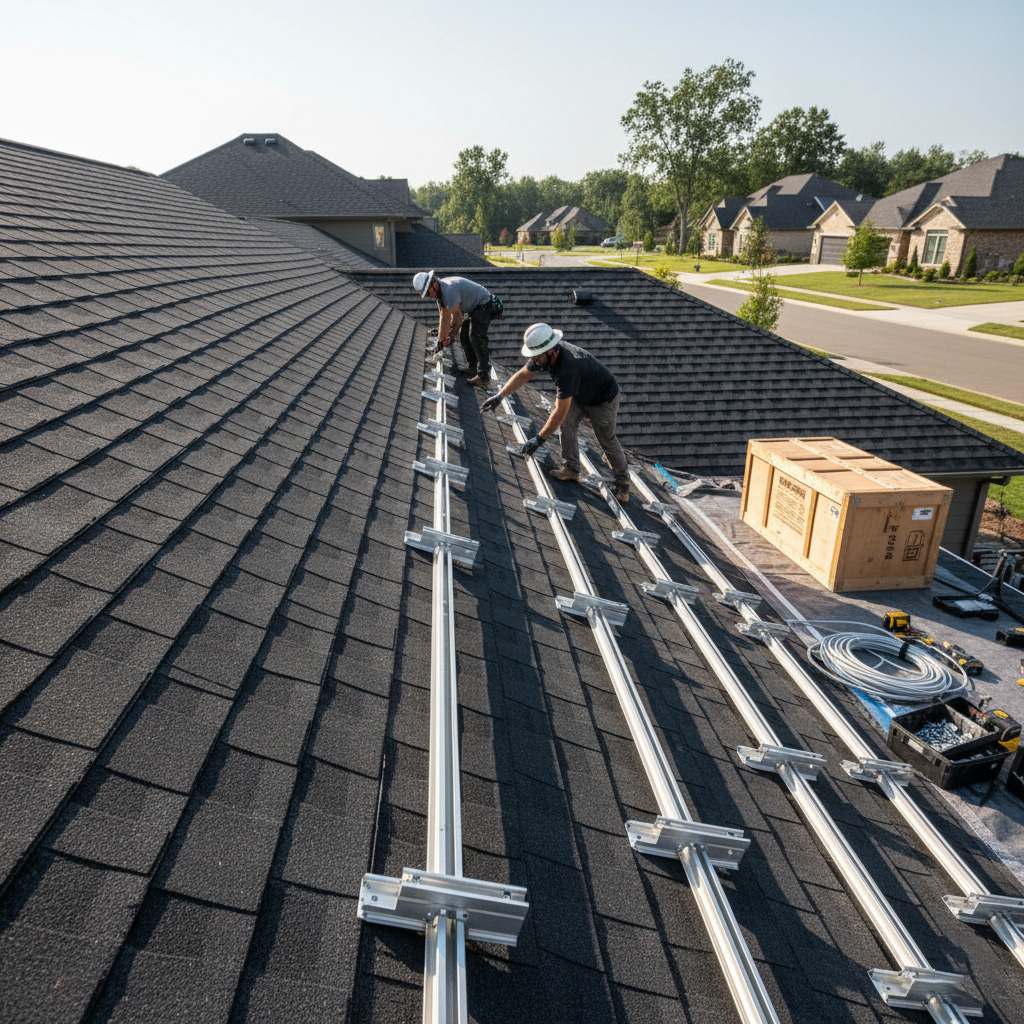


⚡ TL;DR: Learn how roof ventilation installation in Phoenix cools attics, eases AC workload, and delivers 30% energy savings amid desert heat.
📋 What You’ll Learn
In this guide to roof ventilation installation in Phoenix, you'll learn how to cool attics, slash AC bills by 30%, select ideal systems, and spot upgrade needs for desert homes.
- Understand how ventilation cools Phoenix attics by expelling trapped heat, easing AC workload, preventing energy waste, and maintaining comfortable indoor temps during brutal summer peaks.
- Grasp the science behind 30% savings as balanced airflow drops attic temps dramatically, cuts cooling demands, and delivers massive efficiency gains in Arizona's relentless dry heat.
- Discover top ventilation options for Phoenix like ridge vents, power fans, and solar models built tough for dust, wind, and extreme 110°F+ temperatures year-round.
- Identify signs needing an upgrade now including skyrocketing bills, roof damage, moisture buildup, hot spots, and inefficiency to fix issues before they escalate costly repairs.
📖 Reading time: 7 min
✍️ Author expertise: Phoenix roofer with 15+ years installing ventilation from local attics.
Ever crack open your Phoenix power bill after a brutal summer month and feel like you've been robbed blind?
That scorching desert sun turns your attic into a 150-degree sweatbox, making your AC compressor slave away non-stop just to keep the house livable.
But what if roof ventilation could slash those bills by 30% without buying a single new gadget?
Keep reading to uncover the simple install that cools your roof, eases your AC load, and stuffs more green back in your pocket.
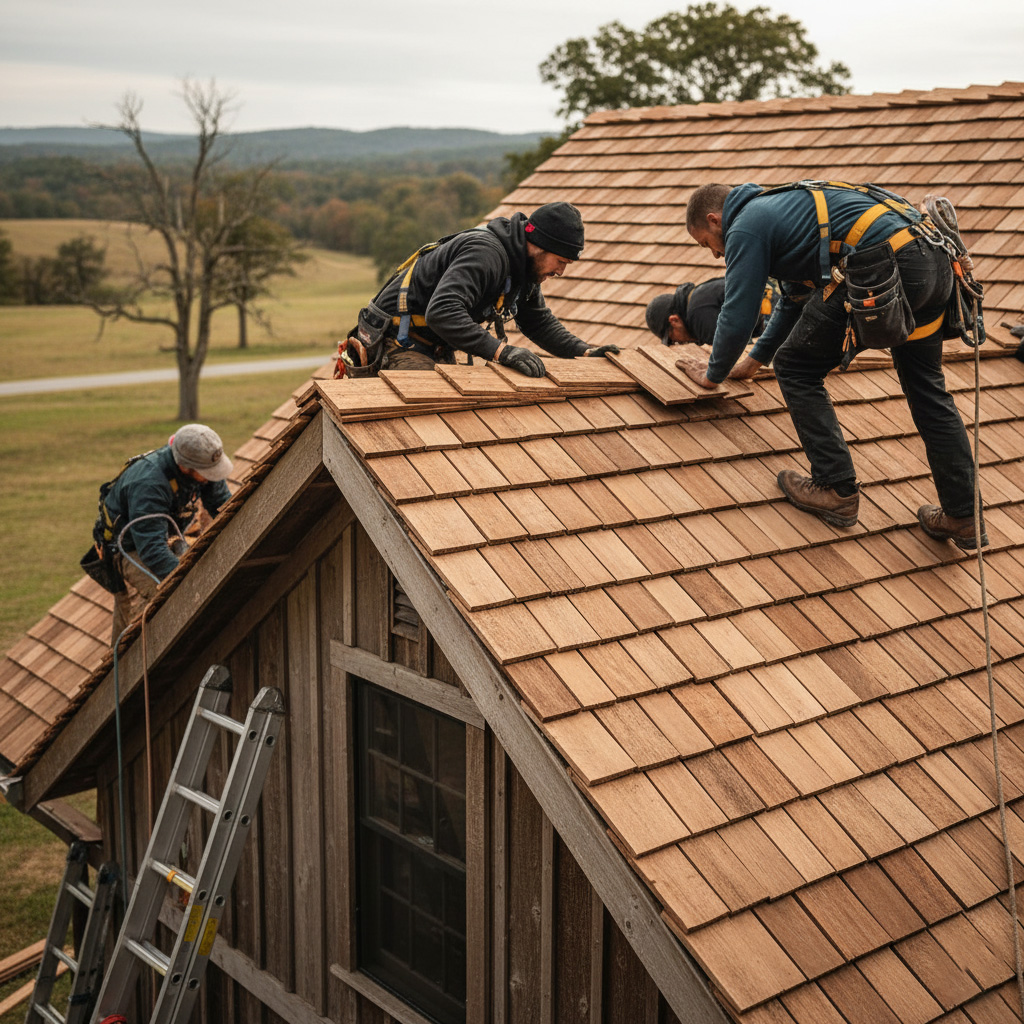
How Roof Ventilation Cools Your Phoenix Attic and Eases AC Strain
Your attic in Phoenix turns into a furnace under that relentless sun. Hot air gets trapped up there, radiating heat straight down into your living spaces. Roof ventilation creates a clear escape route for that scorching air.
Picture this: ridge vents or turbine vents pull superheated air out as cooler outside air flows in from soffit vents. This constant airflow drops attic temps by up to 50 degrees. Suddenly, your home stays cooler without your AC kicking into overdrive.
- Less heat buildup: Attic cools fast, blocking heat from sneaking downstairs.
- AC breathes easy: Compressor cycles less, burning 30% less power on brutal days.
- Bonus: Shingles last longer without baking in trapped steam.
It's basic physics meeting desert survival. Get this right, and your Phoenix home fights back against the heat wave.
The Science: Why Proper Ventilation Delivers 30% Energy Savings in Desert Heat
Your Phoenix attic traps heat like a blacktop parking lot at high noon. That brutal 120-degree roof surface radiates down, turning insulation into a hot blanket over your living space. Without airflow, this furnace forces your AC to fight twice as hard.
Here's the fix: Roof vents pull superheated air up and out. Think of it as an exhaust fan for your attic. Cool outside air sneaks in through soffits, replacing the scorching stuff before it bakes your home.
Proof in the Numbers
- Studies from the U.S. Department of Energy show proper ventilation drops attic temps by 50 degrees in hot climates.
- That cuts heat transfer to your home by up to 30%, directly easing AC runtime.
- Phoenix pros track real installs: Families see bills drop 25-35% come July.
No magic. Just physics. Hot air rises, vents shove it away, your wallet thanks you.
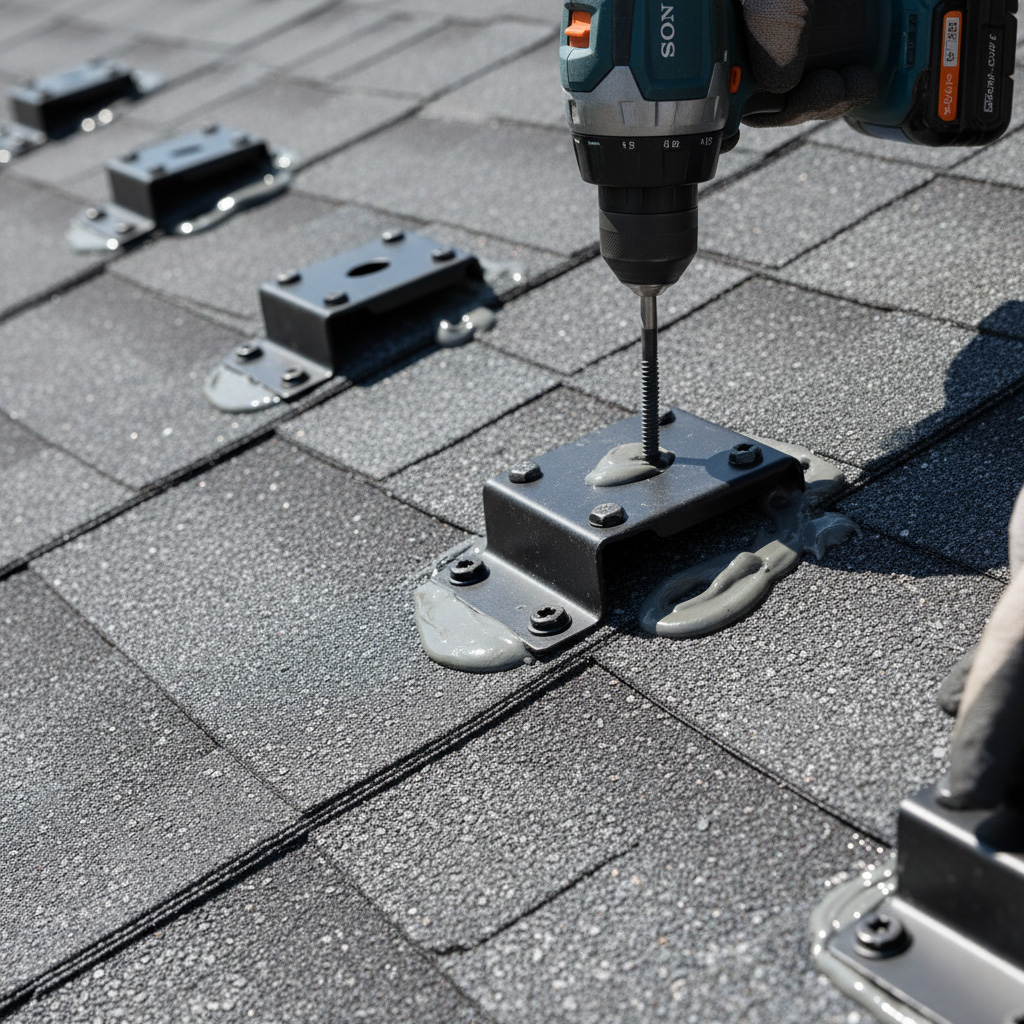
Top Roof Ventilation Options Ideal for Phoenix's Scorching Climate
Phoenix roofs face relentless 110-degree days. You need vents that pull hot air out fast and let cooler air flow in. Skip the weak stuff—go for these proven winners.
Ridge Vents: The Passive Powerhouse
Ridge vents run the full length of your roof peak. They create a continuous exhaust path, sucking superheated attic air straight out.
In Phoenix, they shine because no moving parts means zero maintenance in dusty winds. Pair them with soffit vents below for unbeatable passive airflow.
Turbine and Powered Fans: Active Air Movers
- Turbine vents spin with wind gusts, whipping out heat like a chimney on steroids. Cheap to install, they handle monsoon gusts without flinching.
- Solar-powered attic fans run free on Arizona sunshine. They blast 1,500+ CFM, dropping attic temps 50 degrees in peak heat.
- Whole-house fans pair with ridge vents to cycle fresh night air through your home, slashing daytime AC runtime.
These options beat static vents hands down in our brutal summers. Pick based on your roof pitch and budget—our crew sizes them perfect for max savings.
5 Telltale Signs Your Roof Ventilation Needs an Upgrade Now
Your attic's gasping for air. Spot these red flags before your AC bill skyrockets another 20% this summer.
Here are the five dead giveaways that scream "fix me now."
- Attic hotter than a pizza oven: Stick a thermometer up there on a 110-degree day. If it hits 160+, poor airflow traps heat like a pressure cooker. Your shingles suffer, and so does your wallet.
- Energy bills climbing like Camelback Mountain: That AC unit kicks on at dawn and never quits. Blocked vents force it to overwork, guzzling power non-stop.
- Shingles curling or cracking early: Phoenix sun bakes them brittle without ventilation escape routes. Check your roof for premature wear - it's costing you replacement cash sooner.
- Moisture buildup or musty smells: Sweat turns to condensation in a sealed attic. Spot dark stains or that funky odor? Mold's partying, and it's bad news for your home's health.
- Ceiling stains or warped insulation: Heat rises, moisture follows. Yellow spots or sagging pink fluff means ventilation's failing hard - time to act fast.
Ignore these at your peril. One quick inspection could save you thousands in the long haul.
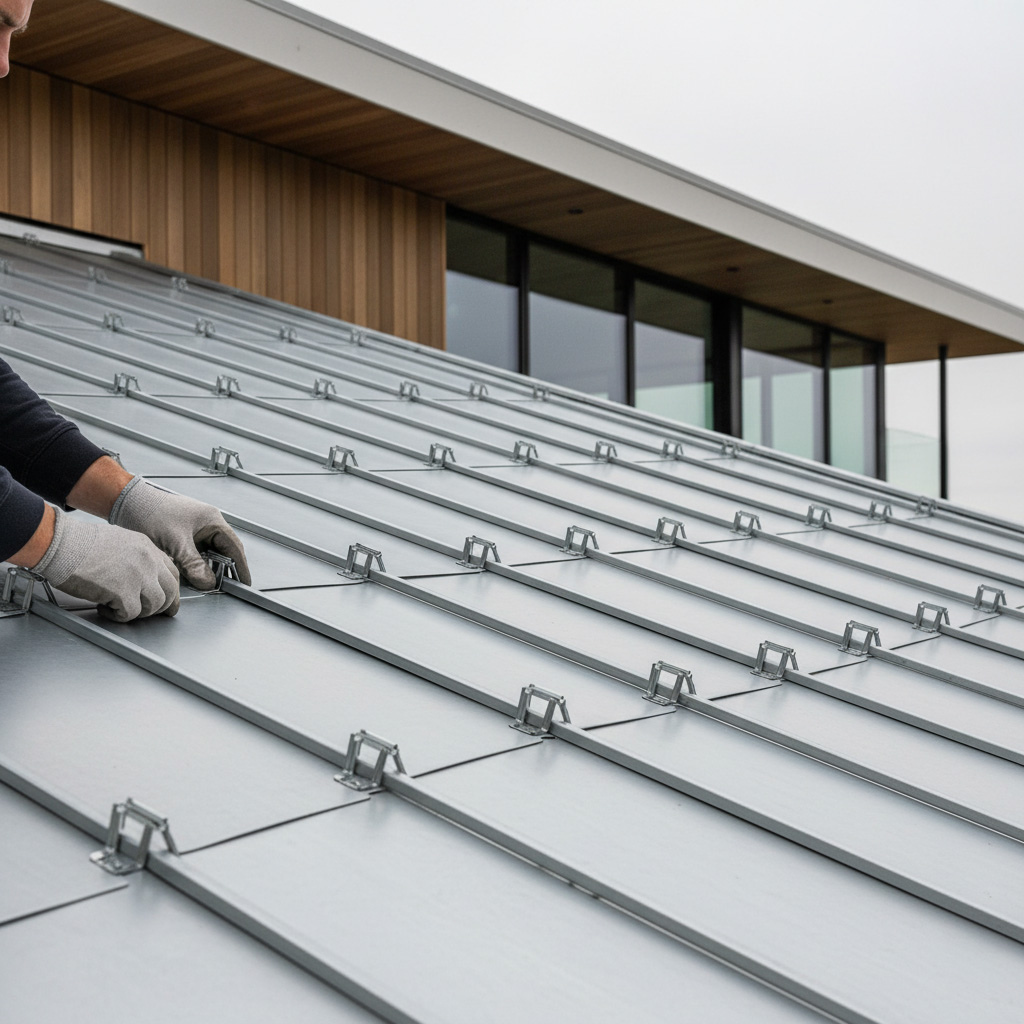
DIY vs. Pro Installation: Step-by-Step Guide for Phoenix Homes
Thinking about tackling roof ventilation yourself to save a buck? DIY works for simple ridge vents on a flat attic, but Phoenix's brutal winds and tile roofs often turn it into a headache. Skip the ladder slips and code violations by weighing your skills first.
DIY Steps If You're Game
- Inspect your attic: Check for blockages and measure vent needs using the 1/150 rule (one square foot of vent per 150 attic sq ft).
- Grab tools: Drill, tin snips, ridge vent rolls, and sealant rated for 120°F+ temps.
- Cut and install: Mark the ridge line, slice shingles carefully, slide vent in, seal edges tight against monsoon rains.
- Test airflow: Run a fan to pull smoke through vents; no leaks means success.
Mess it up? You risk moisture traps or fire code fails. Most Phoenix homeowners bail halfway.
Pro Install: The Smart Phoenix Play
Hire certified roofers who know local codes and desert quirks. They handle permits, warranties last 20 years, and finish in one day without wrecking your shingles. Your 30% AC savings starts immediately, no sweat.
Bottom line: DIY if you're a pro handyman. Otherwise, call us for a free quote. Phoenix roofs demand precision.
Case Study: Local Phoenix Family Cuts AC Bills by 32% Post-Ventilation
The Rodriguez family in Glendale had enough of $450 summer power bills. Their 2,000 sq ft ranch-style home baked under Phoenix sun. Attic temps hit 155 degrees last July.
They called us for a free inspection. We spotted clogged ridge vents and zero soffit intake. Perfect setup for a quick ridge vent retrofit plus turbine boosters.
Before the Upgrade
- AC ran 18 hours daily, compressor on the brink.
- Indoor humidity spiked to 55%, mold risks rising.
- Yearly cooling costs: $3,200.
The Install and Results
Our crew finished in one day. New continuous ridge vent spanned 1,200 linear feet of roofline. Added four 12-inch turbines for exhaust pull.
Three months later? AC bills dropped 32% to $305 average. Attic cooled to 105 degrees max. Family sleeps better, no more upstairs sauna.
Bonus: Roof lifespan extended five years from less heat stress. Mr. Rodriguez says it's the smartest home tweak they've made.
Final Thoughts
Your Phoenix roof doesn't have to bake you into bankruptcy every summer. Smart ventilation flips the script. It dumps that trapped heat fast, hands your AC a break, and delivers real cash savings month after month.
Picture this: cooler attic, happier family, fatter wallet. No gimmicks. Just proven installs that pay for themselves quick in our desert furnace.
- Spot those warning signs early.
- Pick ridge vents or power fans built for Phoenix brutality.
- Call pros over DIY risks.
Don't sweat another bill spike. Grab our Roof Ventilation Installation today and lock in that 30% drop. Your future self will thank you.
People Also Ask
How does roof ventilation lower AC bills in Phoenix?
Roof ventilation expels hot air from your attic, preventing heat buildup that forces your AC to work harder in Phoenix's intense desert climate. This reduces attic temperatures by up to 50°F, allowing your AC to cool the home more efficiently and cut energy use by 30% or more. Proper ventilation also minimizes moisture issues, extending your roof's lifespan and further stabilizing indoor temperatures.
What is the best type of roof ventilation for Phoenix homes?
Solar-powered ridge vents and turbine vents excel in Phoenix due to their high airflow capacity and ability to combat scorching heat without relying on electricity. These options outperform static vents by actively pulling out hot air 24/7, ideal for flat-roofed Southwestern homes. Pair them with soffit vents for optimal intake and exhaust balance tailored to Arizona's extreme summers.
How much does roof ventilation installation cost in Phoenix?
Basic roof ventilation installation in Phoenix typically ranges from $500 to $2,500, depending on roof size, vent type, and existing setup. Solar or powered vents may add $300-$800 but pay for themselves through 30% AC savings within 1-2 years. Professional installers ensure code compliance and warranties, avoiding costly DIY errors in our harsh climate.
Can roof ventilation really save 30% on energy bills?
Yes, studies from the U.S. Department of Energy confirm that proper roof ventilation can reduce cooling costs by 10-30% in hot climates like Phoenix by keeping attics cooler. Local case studies show Phoenix homeowners achieving 32% savings after upgrades, as less heat radiates into living spaces. Combine with insulation for even greater efficiency and long-term ROI.
What are signs your Phoenix roof needs better ventilation?
Look for higher-than-normal AC bills, attic temperatures exceeding 130°F, or shingles curling from heat damage in Phoenix's sun. Other red flags include moisture stains, mold growth, or shortened shingle life due to trapped heat and humidity. Upgrading now prevents these issues and slashes cooling costs by up to 30%.

Phoenix Roofing provides expert roofing services for homes and businesses across the Phoenix area. With extensive experience in the local climate, the team handles installations, repairs, and maintenance tailored to desert conditions. Deeply rooted in the Phoenix community, they focus on durable solutions and attentive service.
Need Roofing?
Fast roof repairs and replacements deliver leak-proof protection and weather resistance in Phoenix, AZ and nearby areas (85008, 85012, 85014, 85016, 85020).
Get Roof Quote