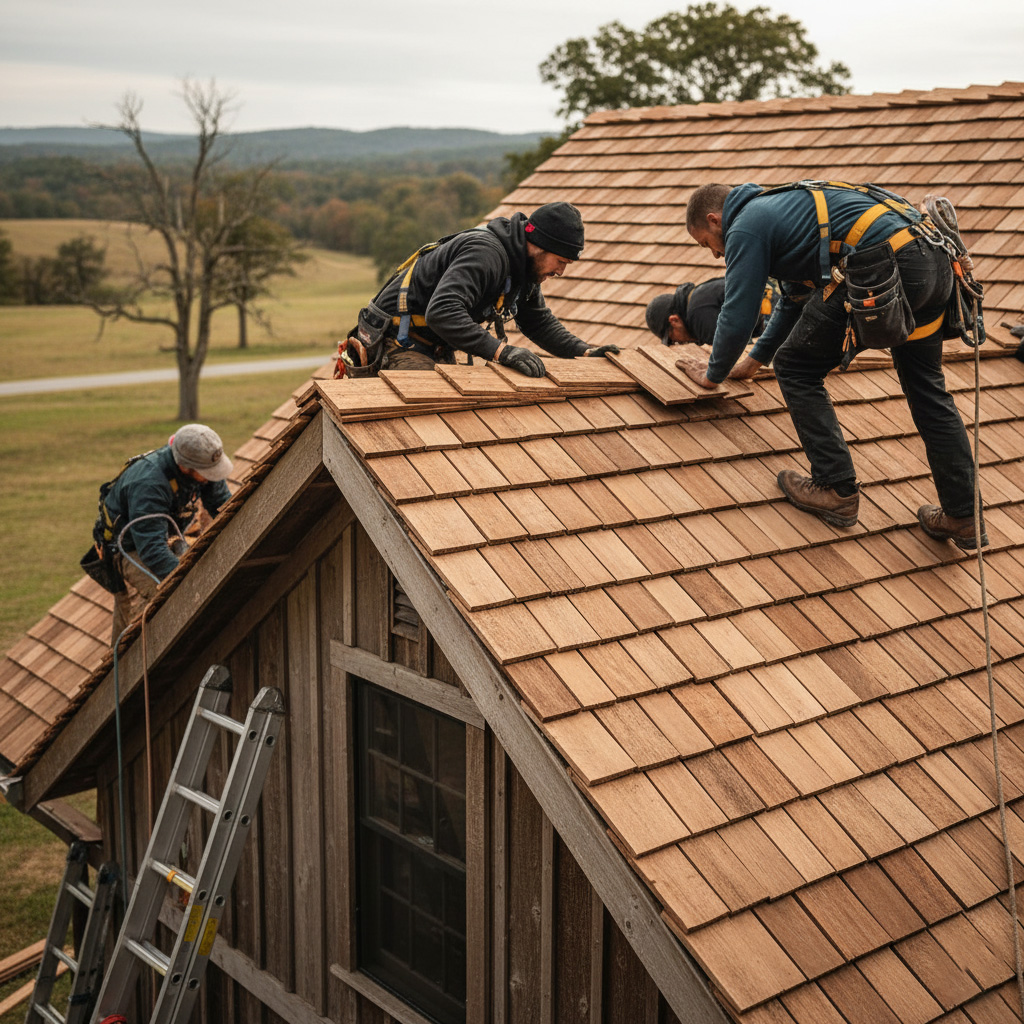


⚡ TL;DR: This guide covers tile roof installation in Phoenix, AZ, highlighting heat-resistant types, step-by-step processes, cooling advantages over asphalt, and maintenance for enduring desert performance.
📋 What You’ll Learn
In this Phoenix tile roof guide, you'll uncover why tiles beat AZ heat, top types for brutal sun, installation steps, cooling advantages over asphalt, and maintenance for lasting performance.
- Grasp why tile roofs rule Phoenix's scorching climate through superior heat deflection, UV durability, fire resistance, and decades-long lifespan perfect for desert extremes.
- Identify top tile types for Arizona's brutal sun like clay, concrete, and synthetic options, comparing weight, color reflectivity, cost, and installation compatibility.
- Master step-by-step tile installation in desert heat covering underlayment, battens, laying patterns, flashing, and heat-specific adjustments for flawless results.
- Compare tile vs. asphalt for max AZ cooling plus prep essentials, maintenance routines, and a Phoenix case study showing real home transformations.
📖 Reading time: 7 min
✍️ Author expertise: Phoenix roofing pro with 20 years installing tile roofs from AZ field experience.
Scorching Phoenix summers hit like a freight train, turning roofs into battlegrounds where lesser materials buckle and fade under 115-degree fury.
But tile roofs? They laugh it off, shrugging away the heat while slashing your AC bills and keeping your home cool as a cave.
Discover the real playbook for installing tile roofs that dominate Arizona's blaze in this no-BS guide.
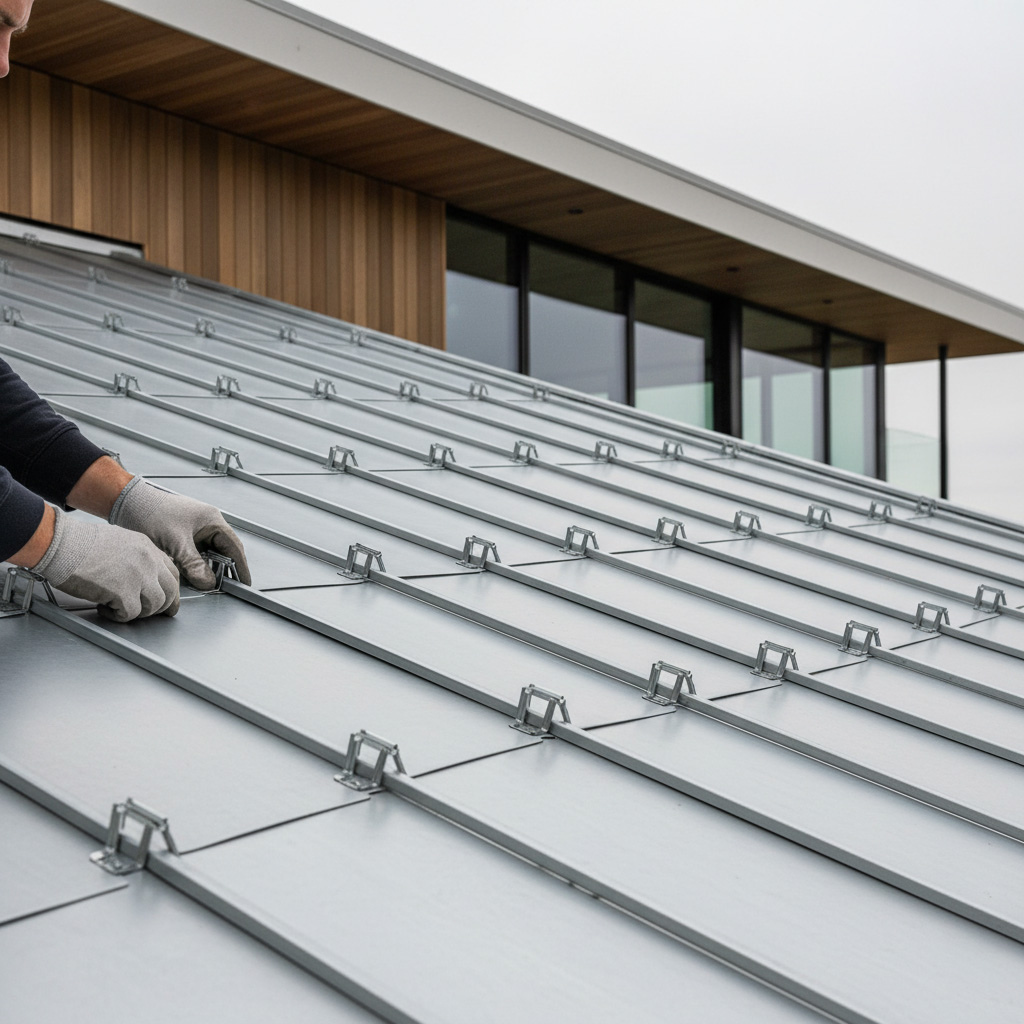
Why Tile Roofs Dominate Phoenix's Scorching Climate
Phoenix heat doesn't play nice. Temps spike past 110°F, baking everything in sight. Asphalt shingles warp, crack, and turn your attic into a sauna.
Tile roofs flip the script. They reflect up to 80% of the sun's rays, staying 50°F cooler than dark shingles. Your home breathes easier, and your AC unit works less.
Here's why locals swear by them:
- Fireproof fortress: Class A rating crushes embers from wildfires.
- Wind warrior: Locks down tight against 140 mph gusts from monsoons.
- Half-century lifespan. No constant replacements eating your wallet.
Result? Lower energy bills. Tougher home. Phoenix-proof protection that pays off big.
Top Tile Types Built for Arizona's Brutal Sun
Clay Tiles: Timeless Heat Beaters
Clay tiles rule Phoenix rooftops for a reason. Fired at insane temps, they shrug off 120-degree days without cracking or fading. Think S-shaped or barrel styles that channel hot air away fast.
- Fire resistance: Won't burn, even in wildfires.
- Wind-proof: Lock tight against 60 mph gusts.
- 50+ year lifespan: Pays for itself before you retire.
These babies reflect sunlight like a pro, dropping roof temps by 50 degrees. Your attic stays chill. AC runs less. Bills plummet.
Concrete Tiles: Tough, Affordable Warriors
Concrete tiles mimic clay's look but hit your wallet lighter. Colored pigments baked in resist UV bleach-out year after year. Flat or mission profiles fit any Southwest rancher.
They weigh a ton, so pros handle the install right. Superior impact resistance crushes hail storms. Cooler surfaces mean energy savings stack up quick.
- Low absorption: Repels monsoon rains.
- High reflectivity: Cuts cooling costs 20-30%.
- Budget king: Half clay's upfront cost, same durability.
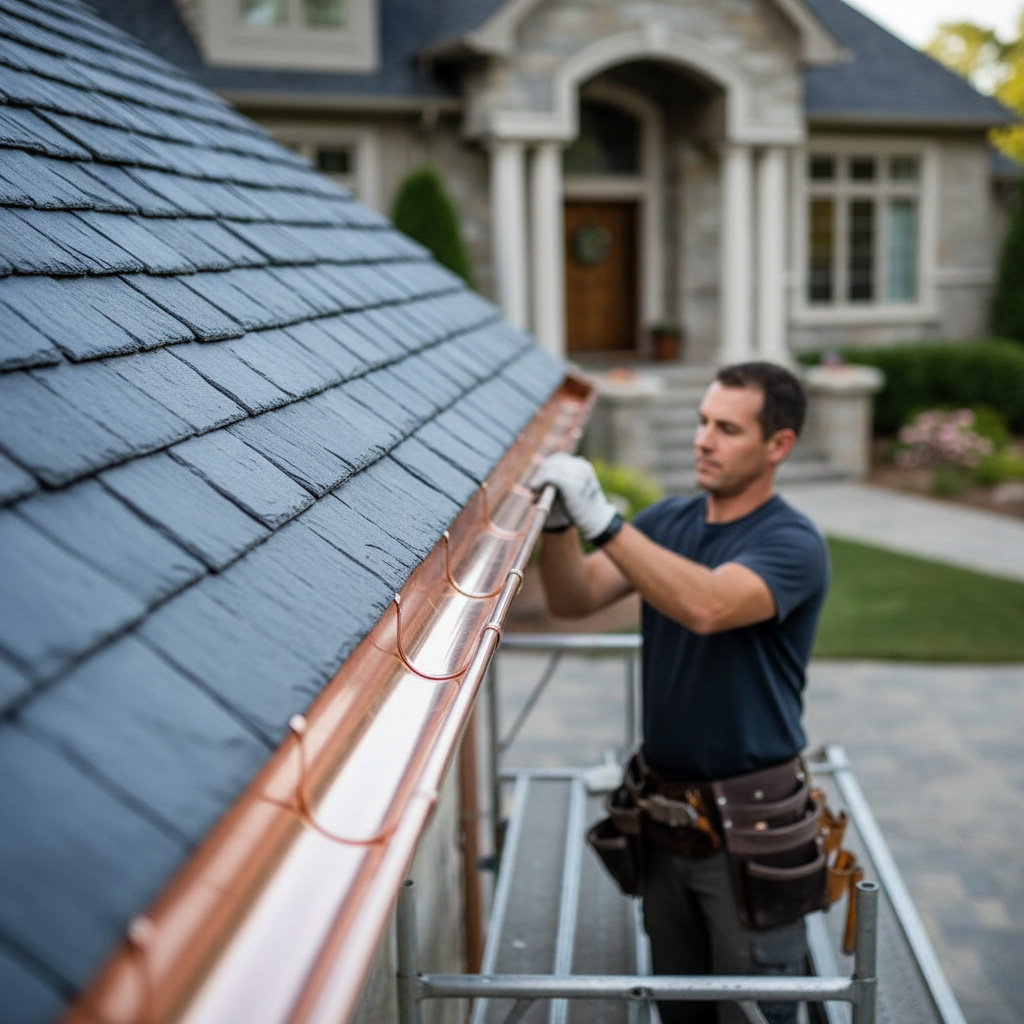
Step-by-Step Tile Roof Installation in Desert Heat
Timing is everything in Phoenix. Schedule your install for early morning or cooler months to dodge peak heat that warps materials and fries crews.
Start with a solid base. Rip off the old roof, inspect the deck for damage, and reinforce with plywood if needed. No shortcuts here - a weak deck means tiles crack under AZ's thermal swings.
Layer It Right: Underlayment and Battens
- Roll out synthetic underlayment, fully sealed against monsoon leaks.
- Space furring strips or battens precisely - usually 14-16 inches apart for concrete tiles, tighter for clay.
- Secure with ring-shank nails that grip through expansion and contraction.
Now the fun part: laying tiles. Begin at the eaves, interlocking each row snugly while leaving room for heat expansion. Use rubber spacers for even gaps.
Finishing Strong Against Sun and Storms
Cap ridges and hips with matching tiles, sealed tight. Flash valleys and penetrations with heat-resistant metal.
Inspect every inch before calling it done. Walk the roof at dawn - catches issues the sun hides later.
Maximizing Cooling: Tile Roofs vs. Asphalt in AZ
Tile roofs crush the heat game in Phoenix. They reflect up to 70% of sunlight, keeping surface temps as low as 90°F on 110°F days. Asphalt? It soaks it up like a sponge, hitting 170°F and radiating misery into your attic.
Head-to-Head: Why Tiles Win the Cooling War
- Energy Savings: Tile cuts AC use by 20-30%, dropping bills $200-500 yearly in AZ summers.
- Attic Temps: Tiles keep it 30-50°F cooler up top, starving your HVAC of extra work.
- Long-Term Payoff: Asphalt fades fast, needing replacement every 15-20 years. Tiles last 50+ while chilling your home.
Switch to tile, and your Phoenix pad stays bearable without the power company laughing to the bank. Real homeowners report sleeping through heat waves, not sweating them. Asphalt might be cheap upfront, but it costs you every blistering month after.
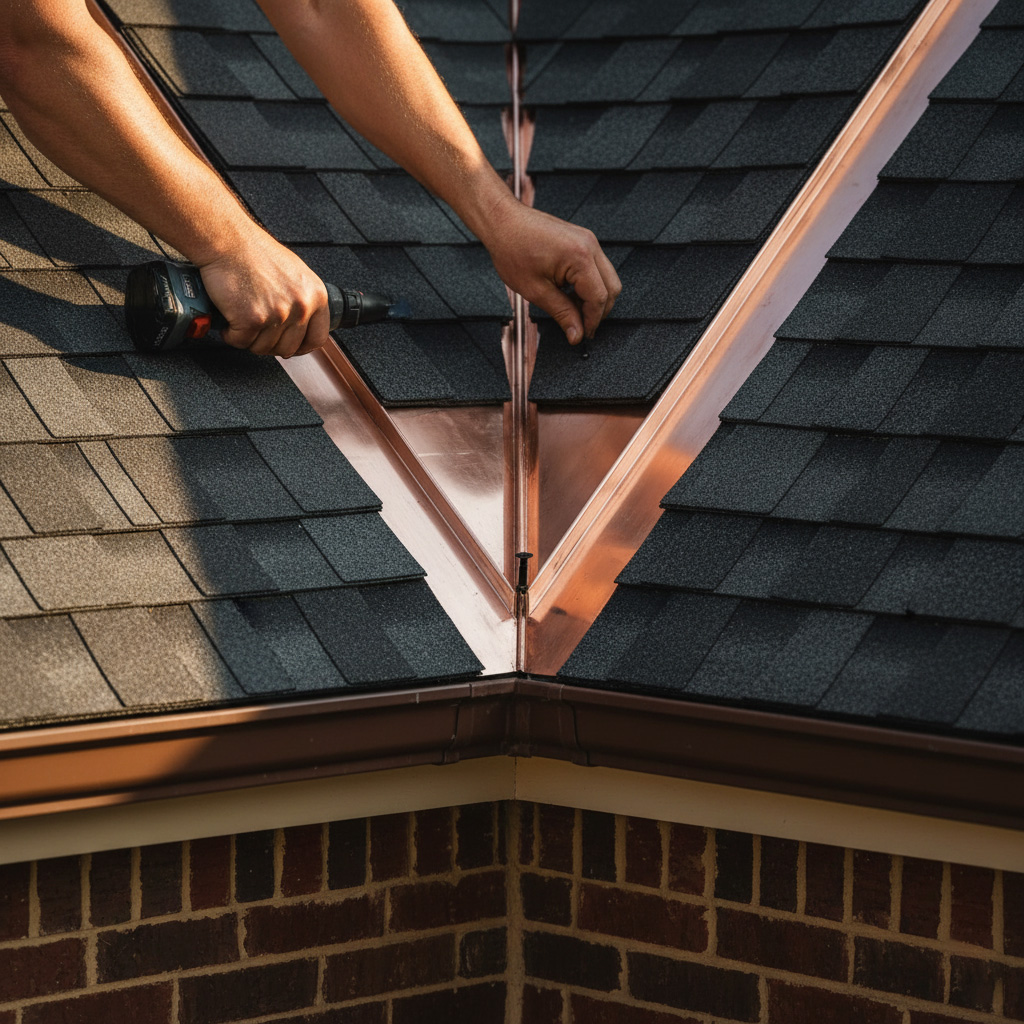
Essential Prep and Maintenance for Longevity
Prep Work That Sets You Up for Decades
Before a single tile hits your Phoenix roof, check the decking. Rot or weak spots from past leaks mean disaster in AZ monsoons. Fix 'em now.
Install top-notch underlayment and ridge vents. These fight heat buildup and let hot air escape. Skip this, and you're baking your attic.
- Clear debris from valleys and gutters first.
- Test for level surfaces - uneven means cracked tiles fast.
- Prime with heat-reflective coatings if retrofitting.
Maintenance That Keeps Tiles Tough Year After Year
Twice a year, sweep off Phoenix dust and pollen. It clogs everything and traps heat. Use soft brushes - no pressure washers.
Inspect after every monsoon. Look for shifted tiles or damaged mortar. Spot fixes prevent big leaks.
Trim overhanging branches. They scratch tiles and drop junk. Annual pro checkups catch issues early, saving thousands.
Case Study: Reviving a Phoenix Home with Clay Tiles
Meet the Ramirez family in central Phoenix. Their 1980s ranch-style home baked under a crumbling asphalt roof. Summers pushed indoor temps to 90 degrees, even with the AC cranked.
They called us last July. One look at the roof confirmed it: warped shingles, leaks, and sky-high energy bills topping $500 a month. We pitched clay barrel tiles – the desert warrior choice.
From Ruin to Relief: The Install
Prep took two days: stripped the old mess, reinforced the deck for tile weight. Crew laid S-mission clay tiles in a week, beating peak heat.
- Key swap: Flat concrete underlay to shed monsoon rains.
- Custom color match: Terra cotta to blend with neighborhood vibes.
- Edge-to-edge ventilation to pull heat like a chimney.
Results hit hard. Indoor temps dropped 15 degrees on 110-degree days. AC bills slashed 40% – now $300 max. Roof looks timeless, warranty locked for 50 years.
Six months in, zero callbacks. The Ramirezes rave: "Feels like living in a fortress now." Proof tile roofs don't just survive AZ – they thrive.
Final Words
Tile roofs aren't just a smart pick for Phoenix—they're your unfair advantage against the desert bake.
Skip the headaches. Grab a free quote today and lock in that cool, durable shield before the next heat wave crushes your old roof.
Quick Action Steps
- Inspect your current roof for cracks or wear right now.
- Compare energy bills from last summer—tile could cut them 30% or more.
- Contact our tile roof installation pros for a no-obligation walkthrough.
One call flips the script on your home's comfort. Don't wait for the mercury to spike.
People Also Ask
Are tile roofs good for Phoenix's extreme heat?
Yes, tile roofs excel in Phoenix's scorching climate due to their thermal mass, which absorbs heat during the day and releases it at night, keeping homes cooler. Unlike asphalt shingles that degrade quickly under intense UV rays, durable clay or concrete tiles resist cracking and fading. This makes them ideal for lowering energy bills in Arizona's brutal sun.
What is the best tile roof type for Arizona's climate?
Clay tiles are top-rated for Phoenix because they offer superior heat resistance and longevity, often lasting 50+ years. Concrete tiles provide a cost-effective alternative with similar cooling benefits and impact resistance against desert winds. Both types reflect sunlight effectively, reducing roof surface temperatures by up to 50°F compared to darker materials.
How much does tile roof installation cost in Phoenix?
Tile roof installation in Phoenix typically ranges from $10,000 to $30,000 for an average home, depending on roof size, tile type, and complexity. Factors like desert heat require specialized prep, adding to costs but ensuring durability. Professional installers recommend budgeting for high-quality materials to maximize ROI through energy savings and longevity.
Do tile roofs keep homes cooler than asphalt in AZ summers?
Tile roofs significantly outperform asphalt in Arizona by reflecting more solar heat and providing better ventilation, potentially reducing attic temperatures by 20-30°F. Asphalt absorbs heat, driving up AC costs, while tiles' low thermal conductivity maintains comfortable indoor temps. Homeowners report 10-20% lower cooling bills after switching to tile in Phoenix.
How long do tile roofs last in Phoenix heat?
High-quality tile roofs in Phoenix can last 50-100 years with proper installation and maintenance, far outpacing asphalt's 15-20 years in desert conditions. They withstand extreme temperatures, hail, and UV exposure without warping. Regular inspections ensure they beat the AZ heat for generations.

Phoenix Roofing delivers roofing services throughout the Phoenix, AZ area, backed by years of hands-on experience. The team focuses on installations, repairs, and maintenance for residential and commercial properties. Rooted in the local community, they address the specific needs of the desert climate.
Need Roofing?
Fast roof repairs and replacements deliver leak-proof protection and weather resistance in Phoenix, AZ and nearby areas (85008, 85012, 85014, 85016, 85020).
Get Roof Quote